
Schools in northern Italy are phasing out pork dishes and introducing alternatives such as chicken curry and couscous, prompting a political row over immigration, religious accommodation and the preservation of Italian traditions.
Prosciutto, porchetta and traditional pasta dishes containing pork are disappearing from school menus in parts of northern Italy as authorities move to accommodate the dietary requirements of an increasingly diverse pupil population.
The changes are being introduced in the province of Pordenone, in the north-eastern region of Friuli-Venezia-Giulia, where children from migrant backgrounds account for 21 per cent of school pupils. That is almost twice the national average of 11 per cent.
While supporters argue that providing alternatives makes sense when many children cannot eat pork for religious reasons, critics warn that accommodating different beliefs should not mean abandoning the country’s culinary heritage.
Pork Dishes Face Removal From School Menus
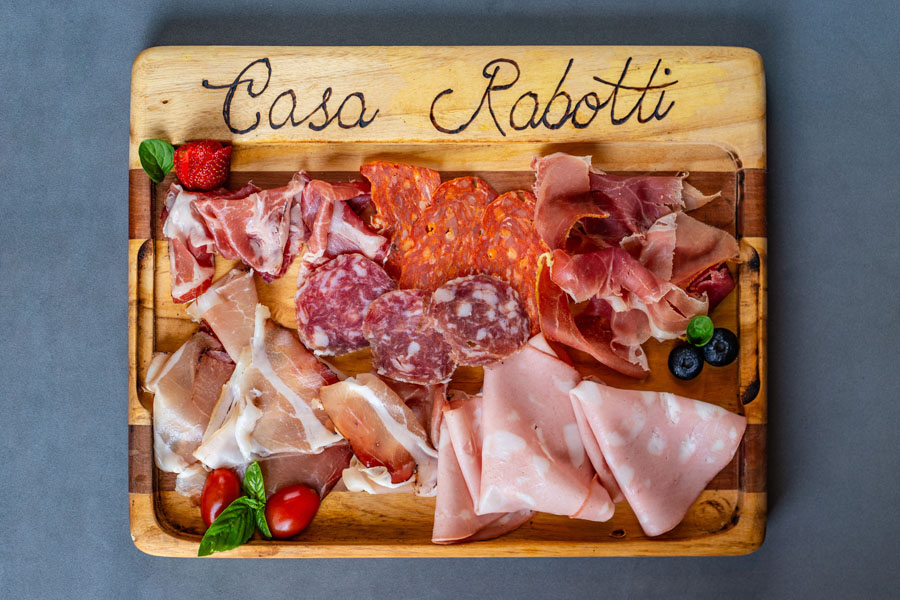
The affected dishes include San Daniele prosciutto, a regional air-dried ham, pasta all’amatriciana, which traditionally contains pork jowl, and porchetta, made from roasted suckling pig.
Under the changes, pork products will be available upon request in some schools. In most others, they are expected to disappear from menus altogether.
Chicken curry and couscous are among the alternatives being introduced as schools seek to cater for pupils whose religious beliefs prevent them from eating pork.
The proposals have exposed a growing disagreement over where the balance should lie between accommodating religious differences and maintaining established Italian traditions.
Conservatives Warn Against Abandoning Traditions
Politicians from Italy’s conservative parties have voiced opposition to the changes, arguing that cultural accommodation should not require traditional Italian food to be removed from school dining halls.
Marco Dreosto, of the League Party, one of the three parties in Prime Minister Giorgia Meloni’s governing coalition, said respect for other cultures should not come at the expense of national customs.
Respect for other cultures and religions cannot and must not mean giving up our traditions.
Marco Dreosto, League Party
Three League members of the European Parliament, Anna Maria Cisint, Silvia Sardone and Susanna Ceccardi, also criticised the decision to replace pork dishes.
Emanuele Loperfido, a member of Meloni’s Brothers of Italy party, argued that promoting coexistence should not mean sacrificing the country’s cuisine.
Gianangelo Bof, from Futuro Nazionale, a new party established by a retired special forces general, also opposed removing pork from meals served to Italian children.
Mayor Defends Religious Accommodation
Alessandro Basso, the mayor of Pordenone, defended the provision of alternative meals, arguing that schools should take account of the religious beliefs of their pupils.
He maintained that regional culinary traditions would be retained wherever possible, while alternatives would be offered to ensure children with different dietary requirements could be accommodated.
Fausto Tomasello, from the centre-left Democratic Party, took a different approach to the dispute, arguing that children’s health should remain the principal consideration.
The disagreement highlights the competing priorities facing local authorities as they attempt to serve a pupil population with increasingly varied cultural and religious backgrounds.
Italy Tightens Rules On Migrant Pupils
The school meals controversy comes amid a wider political debate over immigration and integration in Italy.
Last month, Meloni’s government passed a decree introducing a 30 per cent cap on pupils with limited Italian-language skills in individual classrooms. The measure is expected to affect around 1,000 classrooms, representing 0.3 per cent of the national total.
The same decree introduced a ban on wearing burkas and niqabs in schools, with parents of minors who breach the rule facing fines of up to €1,000, equivalent to approximately £870.
Meloni has defended the measures as a means of preventing segregation and improving integration, while opposition parties have accused the government of discrimination.
In a social media statement, the prime minister described the measures as common-sense policies intended to promote integration and ensure equal opportunities for pupils.
Immigration Debate Intensifies Ahead Of Election
Italy’s changing population has become a central issue in the country’s political debate, with immigration contributing to a shift away from a predominantly native-born population towards a more multicultural society.
The government faces criticism from opponents who accuse the governing coalition of using immigration as a political weapon as Italy approaches its next general election, which must be called within a year.
Meloni is also facing pressure from further to the right, with Futuro Nazionale, founded earlier this year by former paratrooper Roberto Vannacci, reportedly commanding around seven per cent of the vote.
The dispute over school lunches has therefore become part of a broader argument about how Italy should respond to demographic change, religious diversity and the preservation of its national traditions.