
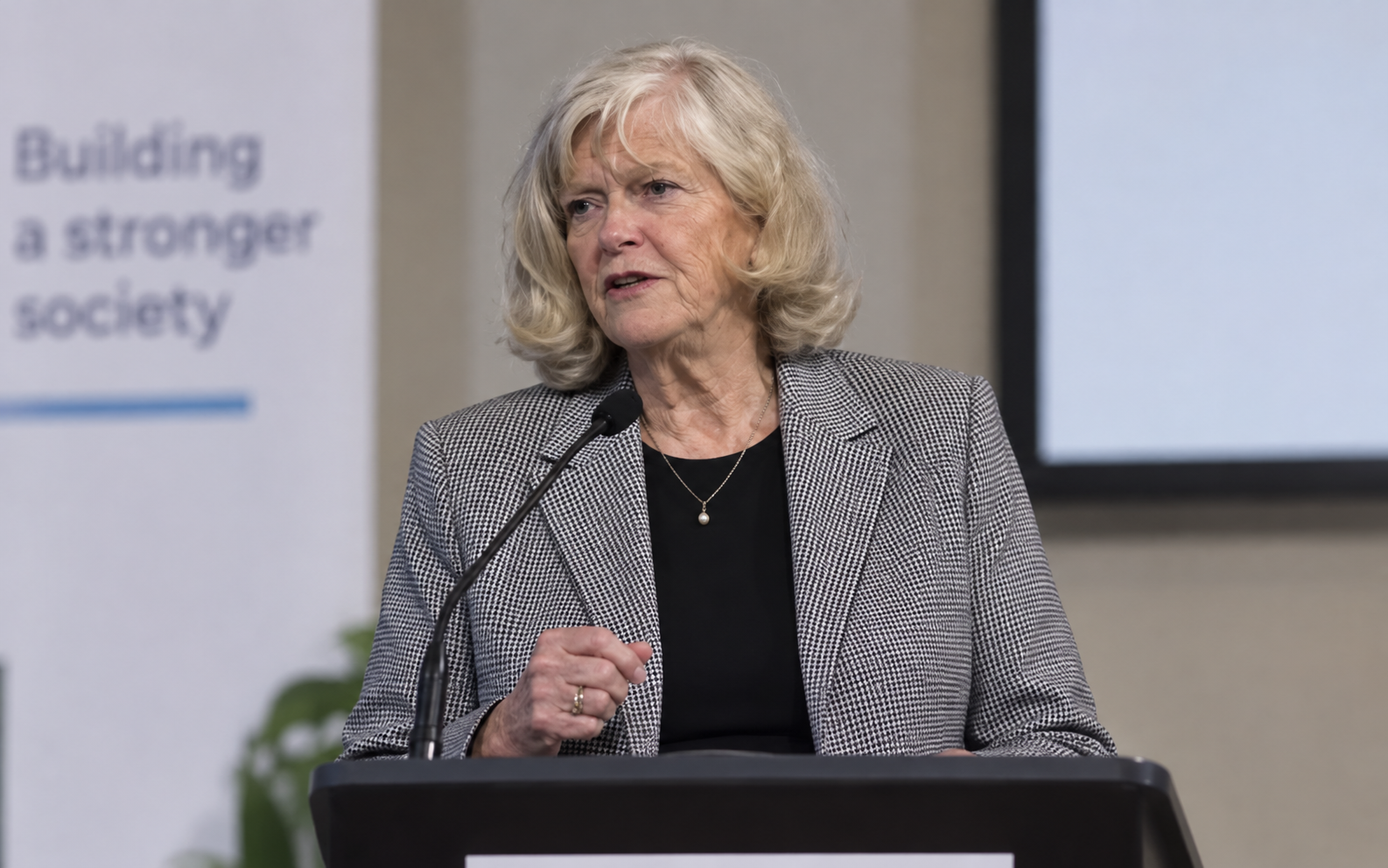
Shadow Commons leader Jesse Norman has demanded an immediate apology and correction after comments made during Prime Minister’s Questions were accused of breaching ancient constitutional protections.
A point of order was raised in the House of Commons after Andy Burnham referred to an “individual” as “responsible for the murder” of former Conservative minister Ann Widdecombe while legal proceedings remain in their early stages.
Shadow Commons leader Jesse Norman warned that the statement violated the presumption of innocence, a fundamental principle of British justice dating back centuries.
The controversial remarks were delivered in the Chamber on Wednesday, despite strict restrictions governing active court cases.
Magna Carta principles breached in Parliament
Addressing the House, Mr Norman warned that treating an accused individual as already convicted directly violates the rule of law and risks prejudicing court proceedings.
In a point of order, shadow Commons leader Jesse Norman told MPs:
“A man is innocent until proven guilty. The presumption of innocence goes back to Magna Carta. It applies without exception.
“But the Prime Minister of the United Kingdom has just publicly spoken as though a man awaiting trial has already been convicted of murder.
“It’s directly contrary to the rule of law, it is a breach of the presumption of innocence, it is misleading to the House, and in any other forum it would be a contempt of court, which could be used to suggest the defendant had been prejudged on the merits of a case.
“And may I ask your guidance on this, Madam Deputy Speaker, as to whether the Prime Minister needs to apologise, to withdraw the statement and to correct the record immediately?”
Responding from the chair, Deputy Speaker Nusrat Ghani noted that ministers’ remarks are not governed by the Speaker’s ruling directly, though the Treasury frontbench was present to hear the challenge.
The content of ministers’ speeches and answers are not a matter for the chair, but the Treasury frontbench will have heard that point of order.
Nusrat Ghani, Deputy Speaker
Downing Street declined to comment on the matter on Wednesday evening.
Statements made by MPs inside the House of Commons are protected from legal action by parliamentary privilege.
Legal proceedings set for June trial
Miss Widdecombe, 78, a former Conservative minister who served as justice spokeswoman for Reform UK, was found dead on July 9 at her home in Haytor on Dartmoor, Devon.
Two days later, on July 11, police arrested 28-year-old Joshua Kerry on suspicion of murder.
Kerry, of Byrley Road, Rotherham, South Yorkshire, has also been charged with planning a terror attack directed at Reform UK leader Nigel Farage.
Key dates and details for the case include:
- Plea hearing: Scheduled for January 29.
- Trial date: Fixed for June 8 next year before a High Court judge.
- Jurisdiction: Proceedings remain active under sub judice rules.
Sub judice rules restrict MP debate
Parliamentary rules strictly forbid MPs from referring to active court cases in debates, motions or questions to ensure trial outcomes are not influenced.
On Monday, Speaker Sir Lindsay Hoyle established a limited exception to allow parliamentarians to acknowledge the charges and discuss police conduct, while explicitly warning against commenting on guilt.
Sir Lindsay Hoyle stated:
“I note that Joshua Kerry has been charged with a number of offences, including the murder of Ann Widdecombe and engaging in conduct in preparation of acts of terrorism, including against (Mr Farage).
“Those cases are therefore sub judice. I am granting a limited waiver so that members can refer to the fact that those charges have been brought, and the way in which related matters have been handled by the police.
“However, members should not discuss the details of those cases or speculate on the guilt or innocence of the individual while it is rightly being dealt with in the courts.”