
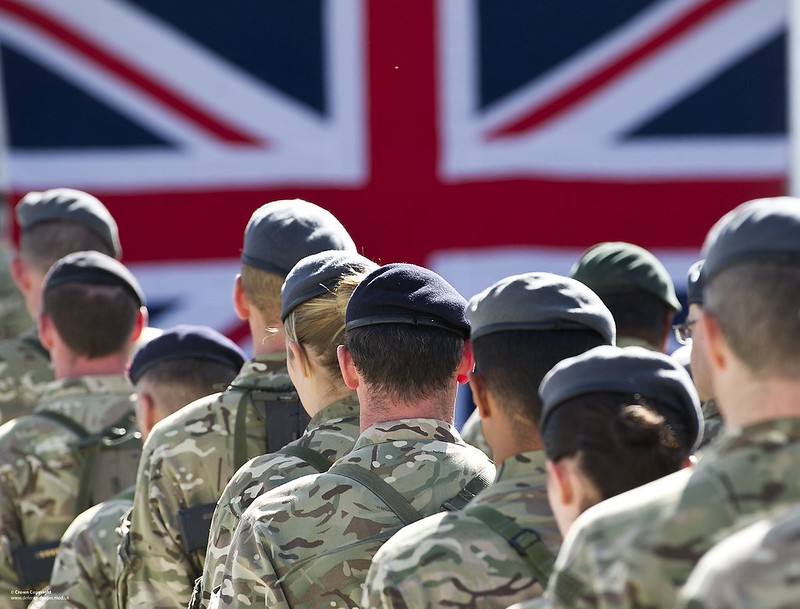
A staggering 48 per cent of the British public say they would refuse to take up arms for their nation under any circumstances, despite growing security threats from hostile foreign powers.
Fresh survey data from pollster Ipsos reveals that nearly half the population would decline to fight for Britain regardless of the reason.
Dangers escalate as willingness to fight remains stagnant
The total refusing to defend the country remains completely unchanged from when the same question was asked in April last year.
That reluctance comes despite mounting security concerns surrounding Russia, China, and Iran.
Only 36 per cent of respondents stated there are circumstances in which they would take up arms, representing a minute rise from 35 per cent last year.
Men show greater readiness to enter combat
Men were the only key demographic group where more respondents were willing to fight than not.
Some 48 per cent of men indicated they would serve under specific conditions, compared to 40 per cent who said they would decline.
Conversely, a majority of women and individuals aged between 35 and 54 stated they would refuse to fight under any scenario.
Spending on national defence gains widespread support
While personal willingness to serve remains low, public backing for military investment has surged drastically.
A majority of 51 per cent now support an increase in defence spending.
That figure has nearly doubled since June 2022, when support stood at just 28 per cent.
Mobilisation during crisis remains possible says expert
Hamish Mundell, an associate fellow at the Royal United Services Institute, noted that while questions exist surrounding Britain’s willingness to make sacrifices, the findings do not prove the country could not mobilize during a conflict.
He told the Press Association that peacetime statements may not reflect crisis behavior.
I think the most important thing to take away from this polling is that we should be careful about confusing what people say they would do in peacetime with how they might actually behave in a national emergency…
He suggested that direct conflict would alter public attitudes.
I can’t see the number of people willing to fight decreasing if the UK started suffering at the hands of a foreign power during a conflict.
Hamish Mundell, associate fellow at the Royal United Services Institute