
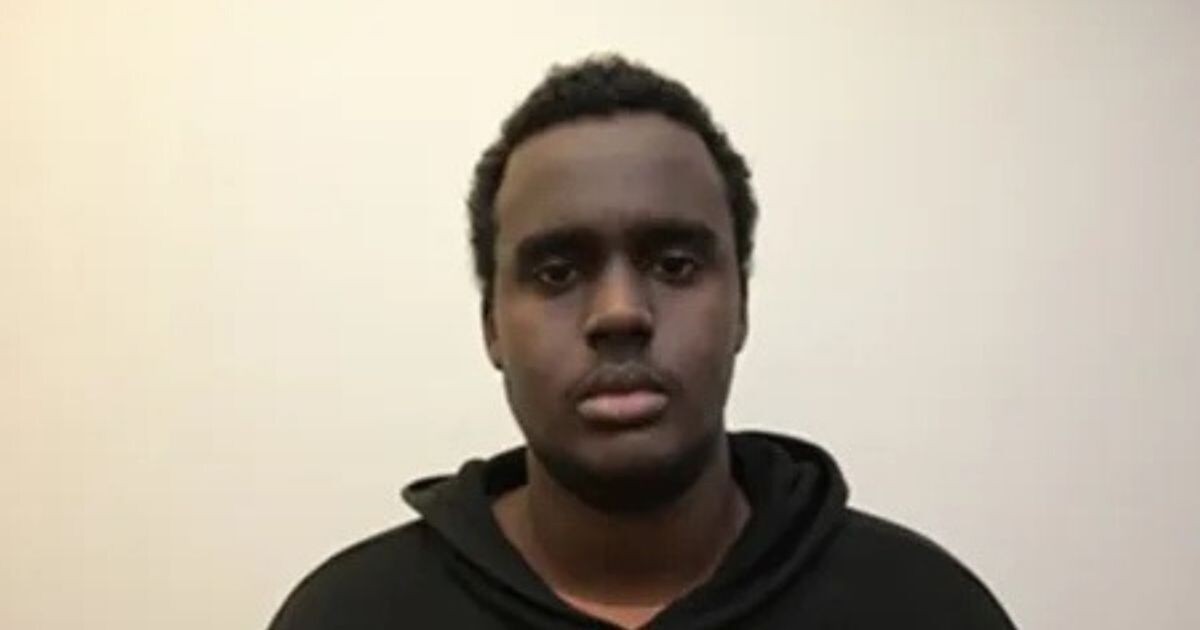
A Bristol resident who flew to East Africa seeking “martyrdom” with Islamic State has been jailed for 12 years after being radicalised by extremist videos on TikTok and YouTube.
Somalian national Mohamed Mohamoud was handed a 12-year prison sentence with an additional four years on extended licence at the Old Bailey after attempting to join Islamic State terrorists in East Africa.
Somalia flight booked after online radicalisation
Mohamoud, 22, lived in Bristol with his mother and brother before flying to Garowe in north east Somalia on January 30, 2025.
The court heard he had been radicalised in the UK by watching extreme terrorist material on social media platforms TikTok and YouTube.
Although he purchased a return ticket to Britain, messages recovered by investigators revealed he had no intention of ever coming back.
AI chatbot used to reach recruiters
After arriving in Somalia at the age of 20, Mohamoud turned to technology to make contact with the proscribed group, messaging an artificial intelligence bot used to connect with IS handlers.
He was put in touch with a recruiter named Abu Ali, who asked if he was aware of an ongoing counter-terrorism operation taking place in the country.
Mohamoud made his intention clear in his reply.
“Yeah brother, I am fully aware. I’m longing for martyrdom, honestly, there’s no better moment than right now.”
Arrest follows failed route into terrorist territory
After struggling to secure a route into IS-controlled territory, Mohamoud returned to the UK on March 4, 2025.
However, he remained in touch with recruiters for the terror group and reiterated his plans to travel back to Somalia.
Detectives from Counter Terrorism Policing South East arrested him on January 20, 2026. A search of his mobile phone uncovered messages, videos, and images demonstrating his commitment to violent IS ideology.
He was subsequently convicted of preparing for acts of terrorism.
Combat role awaited him in Somalia
Sentencing Mohamoud on Monday, October 19, the court warned that he posed a ongoing public danger until his radical beliefs were abandoned.
You did everything you could to join IS and were prevented by factors beyond your control.
Justice Lickley, Judge
Judge Justice Lickley stated that while Mohamoud was naive, he was not unintelligent, and expressed confidence that he would have been deployed in a combat role had he successfully reached the group.
Calculated plot exposed by counter-terrorism officers
In mitigation, Dominic Thomas told the court that Mohamoud went to fight and die, but argued he was not recruited because anyone in a position to recruit him was presumably busy fighting, keeping the prospect of him causing harm to others low.
Frank Ferguson, Head of the Crown Prosecution Service Special Crime and Counter Terrorism Division, underlined the planned nature of the operation.
“Mohamoud was determined to join Daesh and took concrete steps to make that a reality. He even utilised an AI chatbot to contact a recruiter in his bid to join the illegal terrorist organisation.
“He actively embraced the organisation’s violent extremist ideology, sought guidance, and travelled to Somalia with the intention of linking up with fighters aligned to the group.
“The evidence showed this was not a spontaneous decision or a misguided trip abroad. His actions were carefully planned and driven by a commitment to support and become a member of a proscribed terrorist organisation.
“The CPS worked closely with Counter Terrorism Policing South East to build a strong case, using messages, digital material and travel evidence to demonstrate his intent. Terrorism-related offending remains a significant threat, and we will not hesitate to prosecute those who seek to support or join terrorist groups.”